Fair Representation
For anyone talking about "term limits" or "campaign finance reform"...
‘Term Limits’ / ‘Campaign Finance Reform’
The reason people think about term limits or campaign finance reform in the first place is because they no longer feel represented in their government.
While the outward form still appears as “representative government”, somehow they know intuitively that they do not actually have representation in their government anymore.
Unfortunately, neither term limits, nor campaign finance reform, actually strike the root of the problem…

The People had Representation in the House
When the Constitution was written, it prescribed one representative in the House for every 30,000 people. This made it possible for him to actually meet with his constituents, to listen to their concerns, and to represent their interests in Washington D.C. If this were true today, a representative could not be elected unless he went to your church, and operated a business down the street from you, and his kids were in the same school with your kids. You would be able to meet with him. He would know you, and you would know him, and you could make your concerns known to him. He would be able to represent you in Washington, and he would report back to you. You would truly be represented in the House. No amount of campaign finance bribery from special interests could get him elected if the local townspeople wanted him out of office. Their opinion was all that mattered.
But now there is one representative in the House for every 700,000 constituents in his district. And now, he does not actually know his constituents, because it is physically impossible to meet with 700,000 people, to listen to their concerns, and to effectively represent their interests in Washington D.C.
So then who does he represent? The answer is large corporations, billionaires, and public employees’ unions, who meet with him regularly, and who pay for his TV commercials that get him elected into office.
And it’s even worse than that. Guess what? Washington D.C. is awash with foreign money. Yes, that’s right, foreign powers use their money to influence people who are supposed to be your representatives in your self-government!
The States had Representation in the Senate
The Senators in the US Congress were previously appointed by their state legislatures, so that each state government had representation in the US Congress. A Senator could actually meet with 100 state legislators, and get to know them, understand their concerns, and represent their interests in Washington D.C. If he failed to keep them happy, they had the power to appoint someone else to replace him when his term ended.
But due to the 17th amendment to the US Constitution, Senators are now elected by direct election of the state population. Of course, a Senator from California is not able to actually meet with his 40 million constituents, or listen to their concerns. It’s not physically possible.
The Senator also doesn’t need to meet with the state legislators, since he doesn’t need their vote anymore. He no longer cares for their concerns.
So then who does the Senator represent? The answer is large corporations, billionaires, and public employees’ unions, who meet with him regularly, and who pay for his TV commercials that get him elected into office. (And not to mention, foreign powers…)
This is why, for example, Senator John Cornyn of Texas favors bringing in an infinite number of low-paid, H-1B visa Indian tech workers to steal American jobs and undercut American salaries. He doesn’t care what American tech workers want — he only cares what the large corporations want, and they want cheap labor. (And the foreign interests of course, who do not share the same interests of the American people).
The Bicameral Legislature
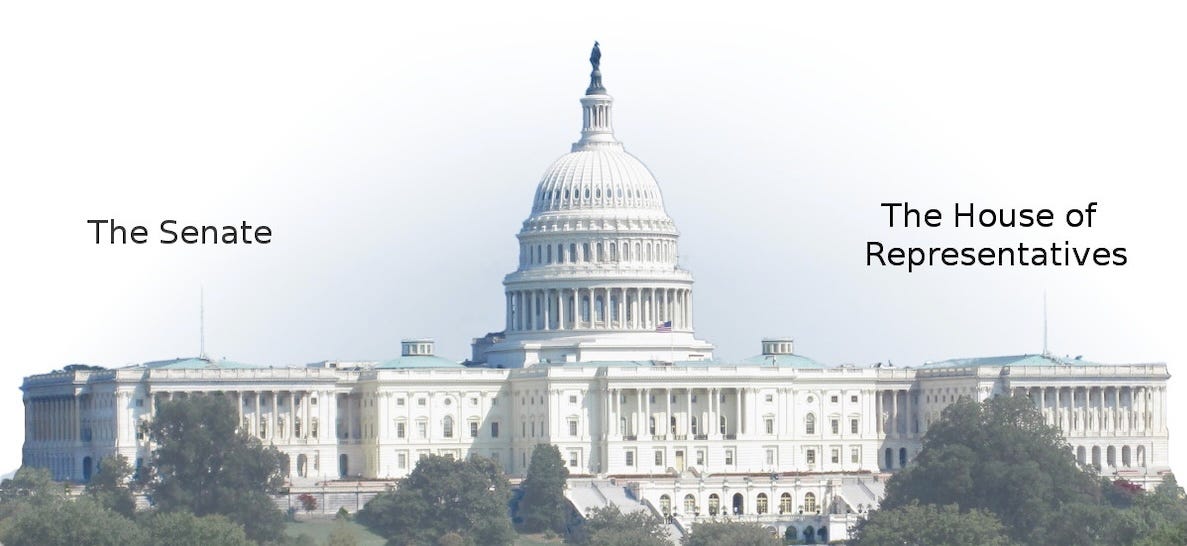
The U.S. Congress was made bicameral as the result of a compromise. The more populous states didn’t want to be ruled over by the less populous states, so they insisted on a legislature apportioned based on population. (Preventing a tyranny of the minority). This became the House of Representatives.
Whereas the less populous states didn’t want to be ruled over by the more populous states, so they insisted on a legislature with equal representation for each state. (Preventing a tyranny of the majority). This became the Senate.
The compromise in the U.S. Constitution was simply to institute both houses, and to require all legislation to pass both houses. This way, neither the majority nor the minority could impose its will upon the other. The concept itself is sound, but this representation has been perverted and no longer functions properly.
The States also had Bicameral Legislatures
Many state constitutions also instituted the same model of a bicameral legislature, but this has since been prohibited to them by the federal Supreme Court decision Reynolds vs Sims! This may seem hypocritical, since the Federal Government retains its bicameral legislature, and since the federal Supreme Court should have no authority over the state constitutions. However, this is nevertheless the current situation.
Reynolds vs Sims prevented states from having a “state senate” where each county has a single senator. Instead, the states were forced to apportion their state senate based on population. As a result, the more populous counties gained political control over the entire state, disenfranchising the less-populous counties. Reynolds vs Sims forced California (for example) to give 13 state senators to Los Angeles county, instead of the 1 senator that many other counties get.
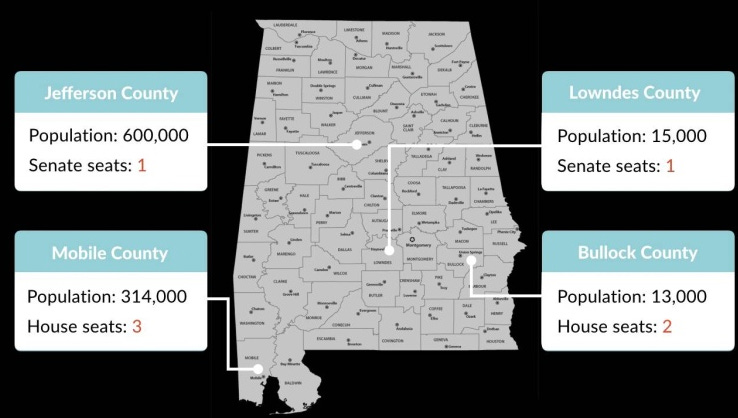
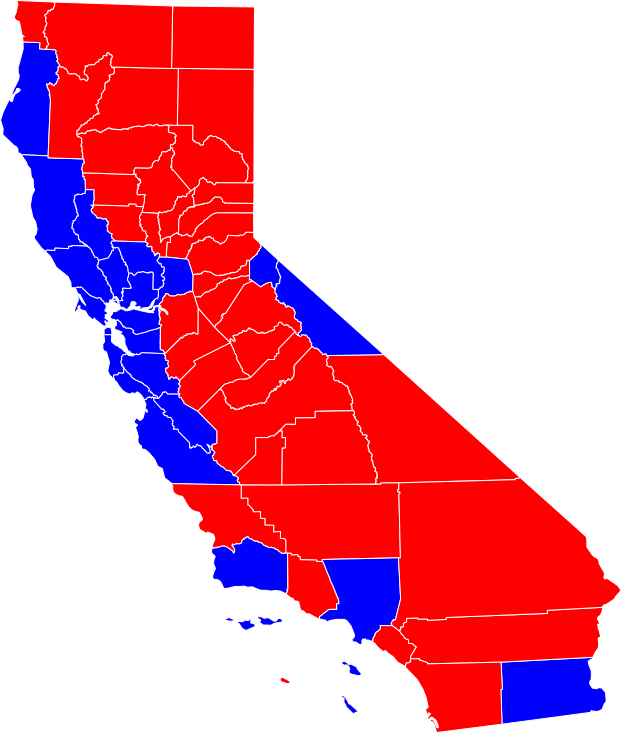
As a result, counties were no longer treated as equals in the state senate. This caused the most populous counties of California, in Los Angeles metro and the Bay Area, to dominate state politics. As a result, even though most of the counties in California are conservative, they are now oppressed by the few liberal big cities who gained control over the entire state government.
The state senate no longer serves any real purpose. States with bicameral legislatures did like California, retaining their state senate but apportioning it based on population, making it redundant to the state house.
It’s one thing to allow big cities to act like dictators inside their city limits. But to give them control also over the entire state government is ridiculous and wrong. This is why the counties of California are now organizing the state of New California in an attempt to set themselves free from the tyranny of Sacramento.
Bicameral Legislature Subverted at Federal Level
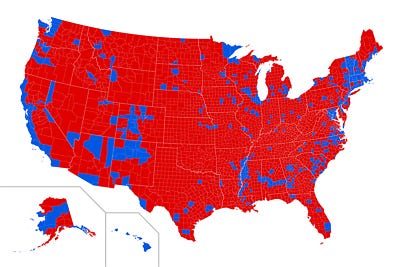
So, the federal government retains its bicameral legislature, however neither the Senate nor the House actually provide fair representation anymore, to anyone! Neither the States, nor the People, have any more fair representation in the federal government as they once did.
Bicameral Legislature Subverted at State Level
Similarly, the California government (for example) retains its bicameral legislature in form only. However, while the State Assembly may still provide some modicum of representation to the people of California, the State Senate no longer properly represents the interests of the counties in the state of California.
In the same way, while the Texas government retains its bicameral legislature in form, the State Senate no longer properly represents the interests of the counties in the state of Texas.
This mechanism operates to inexorably turn states blue. As we have seen in California, and soon may happen in Texas as well.
It’s insidious.

No Taxation without Representation!
We have lost representative government at both the Federal and State levels in the United States. All that was retained was the outward forms.

WARNINGS


Washington’s Farewell Address
Washington’s Farewell Address focused on national unity, the dangers of political parties and sectionalism, and avoiding long-term foreign alliances and entanglements.
Presidential Farewell Addresses
And if we consider the warnings from other Presidents, in their farewell addresses, a clear set of warnings takes shape…

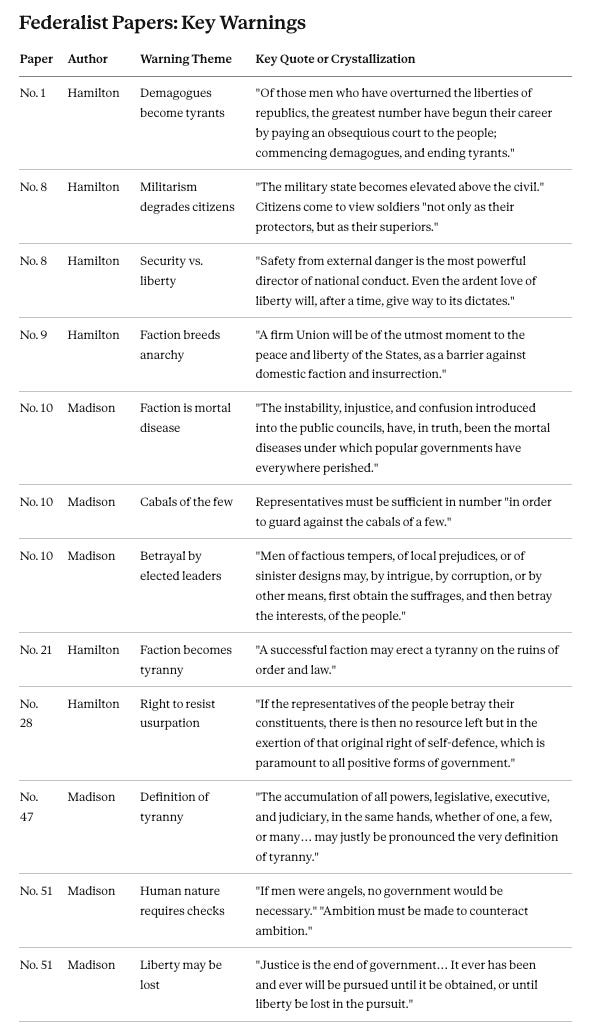
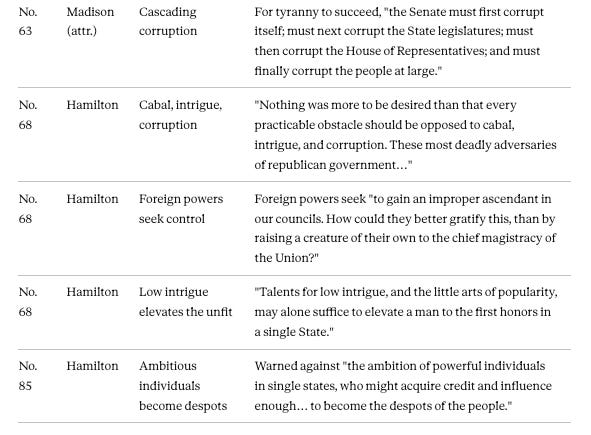
And from the Federalist Papers: